
Global directory
Search the full destination catalog
This page now loads one paginated slice at a time. Start broad here, then move into country collections for a tighter regional browse.
Zimbabwe
Open country page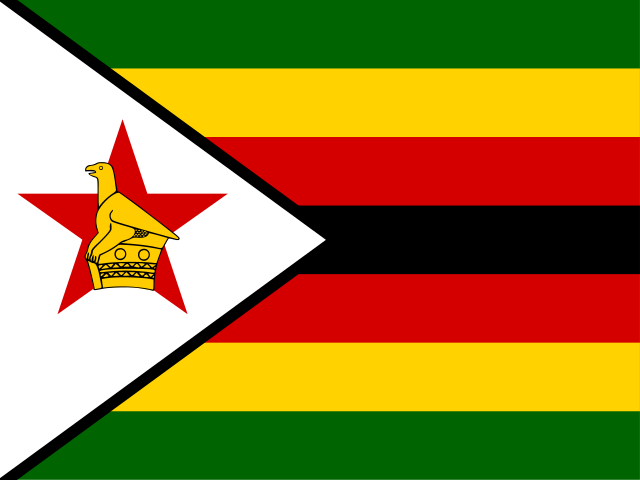
Mutoko
Mashonaland East
Mutoko is a town situated in the Mashonaland East province of Zimbabwe, about 143 kilometers northeast of Harare. It is notable for its historical importance, particularly the Mutoko Ruins, which are remnants of an ancient stone settlement. The area is also rich in San rock art, with several sites showcasing ancient paintings. The town itself provides essential services to the surrounding rural communities and is a hub for agricultural trade, particularly for groundnuts and maize. Its rugged landscape, characterized by granite domes and inselbergs, offers scenic beauty and a glimpse into Zimbabwe's geological formations.
Nkayi District
Matabeleland North
Nkayi District is one of the seven administrative districts of Matabeleland North Province in western Zimbabwe, situated between the Kalahari sandveld to the south and west and the central Zimbabwe plateau. Its administrative seat is the town of Nkayi, which serves as a small commercial and administrative center for the surrounding communal lands. The district forms part of the historical homeland of the Northern Ndebele people, and the area is characterized by sandy soils, low-lying bushveld, and a dry climate typical of western Zimbabwe. The local economy is largely based on subsistence agriculture, cattle ranching, and small-scale trade. The district is bordered by other Matabeleland North districts such as Lupane and Hwange, and sits along transport corridors linking Bulawayo with the Zambezi region. Culturally, the area retains strong Ndebele traditions, including traditional ceremonies, music, dance, and the use of isiNdebele as the dominant local language.
Norton
Mashonaland West
Norton is a small town situated in the Mashonaland West Province of Zimbabwe, approximately 40 kilometers southwest of the capital, Harare. The town lies along the main Harare–Bulawayo highway and railway line, giving it strong transport links despite its modest size. Norton functions primarily as an agricultural service center for the surrounding farming district, which is known for tobacco, maize, and other crop production, and it hosts tobacco auction floors that serve the wider region. The town is also a common stopping point for travelers heading to Lake Chivero (Lake McIlwaine), a large reservoir located just to the north that supports recreational activities such as fishing, boating, and game viewing at the adjacent Lake Chivero Recreational Park. Norton itself has a quiet, residential character with a small commercial center, basic services, schools, and places of worship serving the local community. Its proximity to Harare means many residents commute to the capital for work, while the town retains a distinctly rural-Zimbabwean pace of life.
Redcliff
Midlands
Redcliff is a small industrial town situated in the Midlands Province of central Zimbabwe, roughly 25 km south of Kwekwe and lying along the main Harare–Bulawayo highway and railway line. The town developed around the Zimbabwe Iron and Steel Company (ZISCO), one of southern Africa's largest integrated steel producers when operational, and its economy has historically been anchored by this heavy industry. Beyond the steelworks, Redcliff features the surrounding midlands landscape of granite kopjes, miombo woodland and savanna grasses typical of the central Zimbabwean plateau at roughly 1,200 metres elevation. The town has a country club and golf course, and lies within easy reach of Sebakwe Recreational Park and Sebakwe Dam to the south-east, as well as the broader Midlands tourism circuit including Kwekwe, Gweru and the Great Zimbabwe ruins further south. Like much of Zimbabwe's industrial belt, Redcliff's economy and population have been shaped by the fortunes of the steel industry in recent decades.
Rushinga District
Mashonaland Central
Rushinga District is a rural administrative district in Mashonaland Central Province, Zimbabwe, located in the northeastern part of the country near the Mozambican border. The district is characterized by rolling hills, agricultural land, and traditional rural communities. As a rural district, it does not have major tourist infrastructure like hotels or restaurants, but offers visitors an authentic experience of rural Zimbabwean life. The population engages primarily in subsistence farming, with some commercial agriculture in the area. The landscape consists of savanna woodland and cultivated lands, with the district sitting at a moderate elevation. Visitors to the area typically are those with specific purposes such as visiting family, conducting research, or exploring rural parts of Zimbabwe away from typical tourist routes.
Bulawayo
Bulawayo (Bulawayo Metropolitan Province, Matabeleland)
Bulawayo lies in southwestern Zimbabwe on the Matsheumhlope River, roughly 430 km southwest of Harare, and serves as the capital of Matabeleland province and the seat of Bulawayo Metropolitan Province and Bulawayo City Council. It is Zimbabwe's second-largest city by population and its principal industrial and commercial centre, with manufacturing, gold mining, agriculture, cattle ranching, and the National Railways of Zimbabwe's main southern rail corridor all anchored here. Historically founded in the 1840s as a Ndebele royal capital under Mkwawa and later Lobengula, Bulawayo was the seat of the Ndebele kingdom until the British invasion of 1894, after which the city became the administrative centre of Southern Rhodesia. The colonial period left a remarkable civic core of grand Edwardian and Victorian public buildings built from local granite, many around the city's wide, tree-lined avenues, and this heritage underpins Bulawayo's reputation as one of Africa's most architecturally distinctive cities. The city was largely rebuilt after the urban destruction and unrest of the 1980s. Today Bulawayo is often described as a more relaxed, conservative, and culturally rooted alternative to Harare. Its cultural life is strongly Ndebele, with the city's major annual events — the Bulawayo International Trade Fair and the Ndebele dance, drum, and costume traditions performed at the Cultural Centre of the African Languages and the Makokoba area — reflecting that heritage. The surrounding Matabeleland region, with its granite balancing rocks (kopjes), the Matobo Hills, and the Khami ruins about 30 km northwest, offers easy day-trip options. The climate is warm and semi-arid, with a rainy season from roughly November to March and a long dry winter. Most of the city's museums, monuments, and rock art sites are outdoors and easy to reach, though daytime temperatures can be high, and winter nights are cold. Travellers generally find Bulawayo welcoming and affordable by international standards, with English widely spoken as an official language alongside Shona and Ndebele.
Chivhu
Mashonaland East
Chivhu is a modest town situated in the Mashonaland East province of Zimbabwe. Historically known as Enkeldoorn, it was one of the earliest colonial settlements in the country. Today, Chivhu functions primarily as a commercial and administrative hub for the surrounding fertile agricultural areas. The town's economy is largely driven by farming, local trade, and services for commuters and long-distance travelers. While not a major tourist destination, its location on a significant transport corridor makes it a convenient stopover. Visitors can experience a glimpse of rural Zimbabwean life, interact with local communities, and observe agricultural activities. The town offers basic amenities including markets, fuel stations, and guesthouses. Chivhu's relaxed atmosphere contrasts with the bustling capital, providing a quieter, more authentic Zimbabwean experience.