
Global directory
Search the full destination catalog
This page now loads one paginated slice at a time. Start broad here, then move into country collections for a tighter regional browse.
Bosnia and Herzegovina
Open country page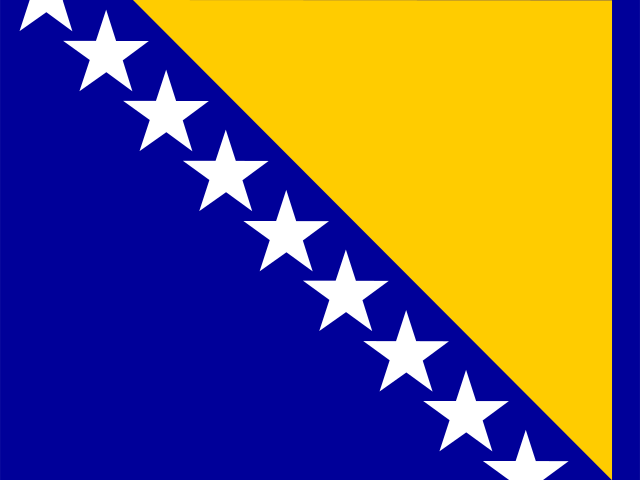
Lukavac
Federation of Bosnia and Herzegovina
Lukavac is a town and the seat of the Lukavac municipality, located in the Tuzla Canton of the Federation of Bosnia and Herzegovina entity in Bosnia and Herzegovina. The town lies in the Spreča River valley and has developed around coal mining and heavy industry, historically known for its coke plant and chemical works that have shaped its character and economy. Geographically, Lukavac sits in a basin framed by low hills of the northern Bosnian Posavina region, with the artificial Lake Modrac located just to the east, formed by a dam on the Spreča River. The wider municipality encompasses several surrounding villages and settlements. Lukavac is approximately 12 kilometers west of the regional center of Tuzla, making it part of the broader Tuzla metropolitan area. The local population is predominantly Bosniak, with a mixed cultural heritage shaped by the region's Ottoman, Austro-Hungarian, and Yugoslav periods. The town serves as a local administrative, educational, and commercial hub for the surrounding communities.
Lukavica
Federation of Bosnia and Herzegovina
Lukavica is a municipality and urban center located in the Tuzla Canton of the Federation of Bosnia and Herzegovina. The town sits in the northeastern part of the country, characterized by a landscape of gentle hills and agricultural plains. Lukavica's historical significance stems from its salt production industry, which has been a cornerstone of the local economy for centuries. The Teo-Tour salt plant, established in the early 20th century, stands as a testament to the region's industrial heritage. The municipality encompasses several surrounding villages and maintains a close economic and social relationship with the nearby city of Tuzla. The area experiences a continental climate with significant seasonal variation, offering visitors distinct experiences throughout the year.
Maglaj
Federation of Bosnia and Herzegovina
Maglaj is a modest town and municipality in northeastern Bosnia and Herzegovina, lying along the Bosna River in the Zenica-Doboj Canton. The town has historical roots dating back to Ottoman times, with several historic mosques and buildings reflecting its medieval and early modern heritage. Maglaj sits at an elevation of approximately 220 meters above sea level and is surrounded by mountainous terrain and forested areas. The municipality includes both the town center and surrounding rural villages. The town's economy has historically been based on agriculture, small manufacturing, and services, with the Bosna River providing a natural focal point. Visitors to Maglaj can experience traditional Bosnian small-town life, local markets, and historic architecture in a quieter setting compared to larger Bosnian cities. The town makes a good base for exploring the broader Zenica-Doboj region and offers a peaceful alternative for travelers interested in authentic local experiences.
Mahala
Federation of Bosnia and Herzegovina
Mahala is a small village settlement in the Federation of Bosnia and Herzegovina entity of Bosnia and Herzegovina. Like many rural localities in Bosnia and Herzegovina that share the name "Mahala" (a common Bosnian term historically referring to a neighborhood, quarter, or small settlement, often originating from the Ottoman period), it is a modest community in the central part of the country. The surrounding landscape features the characteristic hilly and forested terrain of central Bosnia, with mixed agricultural land and natural woodland typical of the region. Travelers visiting such small settlements in Bosnia are typically drawn to the area for its proximity to larger regional centers, natural landscapes, and as a base for exploring the surrounding countryside. Visitors should treat the area as rural Bosnia rather than a developed tourist destination, and plan logistics accordingly.
Malešići
Federation of Bosnia and Herzegovina
Malešići is a small residential settlement located in the Tuzla Canton of the Federation of Bosnia and Herzegovina. Situated at coordinates 44.73824, 18.27335, the village is part of the municipality of Tuzla and sits in northeastern Bosnia and Herzegovina. As a smaller settlement within the Tuzla metropolitan area, Malešići primarily serves as a residential neighborhood for locals working in Tuzla, the third-largest city in Bosnia and Herzegovina. The area features typical suburban residential architecture and benefits from proximity to Tuzla's urban amenities while maintaining a quieter, more residential character. Visitors to this area typically stay in nearby Tuzla and explore the settlement as part of a broader visit to the Tuzla region.
Mejdan - Obilićevo
Republika Srpska
Mejdan - Obilićevo is a small settlement village located in the Republika Srpska entity of Bosnia and Herzegovina, situated at coordinates 44.76324, 17.19012. The village is situated in the Banja Luka region, which is the administrative and economic center of Republika Srpska. The settlement consists primarily of residential homes and agricultural land, with residents engaged in farming and local economic activities. The area features typical rural Bosnian-Serb landscape with rolling hills and proximity to the Vrbas River valley. Given its small size, the village itself has limited tourist infrastructure; travelers typically visit the nearby city of Banja Luka for accommodations, dining, and attractions. The nearest major city is Banja Luka, approximately 10-15 kilometers away, which offers historical sites, cultural institutions, and modern amenities.
Milići
Republika Srpska
Milići is a small town and municipality situated in the eastern part of Republika Srpska, within Bosnia and Herzegovina. The area is predominantly rural, offering visitors a glimpse into local life and natural beauty. Surrounded by hills and forests, it provides a quiet escape for those interested in exploring the lesser-known parts of the country. The economy is primarily based on agriculture and some local industry. While not a major tourist destination, Milići can appeal to travelers seeking tranquility, nature, and an authentic experience of Bosnian rural culture. It serves as a local administrative and commercial center for the surrounding villages.
Mionica
Federation of Bosnia and Herzegovina
Mionica is a small rural settlement situated in the northern region of the Federation of Bosnia and Herzegovina, specifically in the Doboj area. The settlement is located at latitude 44.86646 and longitude 18.46603, placing it in the fertile Vrbas River valley region. This area is characterized by agricultural land and small residential communities. The settlement falls under the administrative jurisdiction of the Doboj Canton. The region features flat to gently rolling terrain and is part of the broader agricultural heartland of northern Bosnia. Local residents primarily engage in agriculture, with farming being the dominant economic activity in the surrounding area.
Mostar
Federation of Bosnia and Herzegovina
Mostar is a historic city in southern Bosnia and Herzegovina, most famous for its stunning Stari Most (Old Bridge), a UNESCO World Heritage Site that arches gracefully over the emerald waters of the Neretva River. The city's old town features a unique blend of Ottoman and Austro-Hungarian architecture, with narrow stone-paved streets, traditional craft shops, and café-lined squares. Mostar serves as the cultural and economic heart of Herzegovina, offering visitors a rich tapestry of history, from medieval beginnings through Ottoman rule to the devastating effects of the 1993 war. Today, the city has been lovingly rebuilt, with the Old Bridge reconstructed using traditional methods and original stones. The surrounding Herzegovina region is known for its wine production, stunning natural landscapes including the Neretva River canyons, and proximity to the beautiful Kravice Waterfalls."
Mrkonjić Grad
Republika Srpska
Mrkonjić Grad is a municipal center in the central region of Republika Srpska, one of two entities that make up Bosnia and Herzegovina. The town is located along local road networks and serves as a transit point between Banja Luka and eastern Republika Srpska. The area is characterized by a mix of agricultural land and forested hills, with the Vrbas River valley nearby. The municipality includes several surrounding villages and settlements. As a smaller regional center, Mrkonjić Grad offers basic municipal services and serves as a hub for local commerce and agriculture in this part of the entity.
Neum
Federation of Bosnia and Herzegovina
Neum is a small town and municipality in Bosnia and Herzegovina, specifically located in the Herzegovina-Neretva Canton of the Federation of Bosnia and Herzegovina. It is the country's only access point to the Adriatic Sea, stretching along a 24.5 km coastline. The town is nestled in a bay, protected from strong winds, which contributes to its mild Mediterranean climate. Historically, Neum has been a strategic point, and today it serves as a significant tourist spot, attracting visitors with its serene beaches, various accommodation options, and fresh seafood. The waters are generally calm and clear, ideal for swimming and water sports.
Nevesinje
Republika Srpska
Nevesinje is a small town and municipality in the eastern highlands of Republika Srpska, Bosnia and Herzegovina. The town is nestled in the foothills of the Dinaric Alps, characterized by its mountainous terrain, forests, and rolling hills. Historically, Nevesinje was an important market town and has connections to the medieval Bosnian state. The area is known for its traditional stone houses, Orthodox churches, and rural communities. The surrounding region offers hiking opportunities in the mountains, with fresh air and scenic landscapes. The town serves as a local center for the surrounding villages and agricultural communities. Visitors to Nevesinje experience authentic Bosnian rural life away from major tourist crowds, with traditional customs, hospitality, and natural beauty being the main highlights.
Novi Grad
Republika Srpska
Novi Grad is a small town in the Republika Srpska entity of Bosnia and Herzegovina, positioned in the northwestern part of the country along the Sana River. Historically known by various names, the town developed as an industrial center during the Yugoslav era. Today, it serves as a modest local center with traditional architecture, religious buildings of multiple faiths, and proximity to natural areas along the river. The town reflects the multicultural character of the region with Orthodox, Catholic, and Islamic communities coexisting. Visitors will find a traditional Bosnian-Herzegovinian small town atmosphere with local shops, markets, and residential areas. The location offers access to outdoor activities along the Sana River and serves as a base for exploring the surrounding countryside of Republika Srpska.
Novi Šeher
Federation of Bosnia and Herzegovina
Novi Šeher is a tranquil town situated within the Zeničko-dobojski Canton of the Federation of Bosnia and Herzegovina. It is nestled in a valley, close to the Bosna River, surrounded by hills and green landscapes. The town has a rich history, with evidence of human settlement dating back to ancient times, though much of its character was shaped during the Ottoman period, as reflected in the architecture and cultural elements. While not a major tourist hub, Novi Šeher offers visitors an authentic experience of a small Bosnian town, with a focus on local life, traditional customs, and the natural beauty of the region. It serves as a local administrative and commercial center for the surrounding villages.
Novi Travnik
Federation of Bosnia and Herzegovina
Novi Travnik is a town and municipality located in the Central Bosnia Canton of the Federation of Bosnia and Herzegovina, Bosnia and Herzegovina. It sits in the Lašva River valley in central Bosnia, surrounded by forested hills at an elevation of roughly 470 meters. The town developed significantly during the Yugoslav period when it became an important industrial center, particularly for metallurgy, machine manufacturing, and metal processing, earning it the slogan "Grad novih vidika" (City of New Horizons). The municipality was separated from the neighboring Travnik municipality and established as its own administrative unit. Novi Travnik has a multi-ethnic character, with Bosniaks and Croats forming the main communities, reflected in the presence of both mosques and Catholic churches. The town offers a quiet, authentic atmosphere of central Bosnian small-town life, with the larger historical city of Travnik located just a few kilometers away. The surrounding region offers opportunities for exploring traditional Bosnian rural landscapes, rivers, and nearby mountain areas.
Obudovac
Republika Srpska
Obudovac is a small settlement situated in the northern lowland area of Bosnia and Herzegovina, within the Republika Srpska entity. It lies in the Posavina region, a flat agricultural zone characterized by fertile plains along the Sava River. The village is part of a predominantly rural landscape where traditional farming, livestock raising, and small-scale agriculture remain important parts of local life. Like many villages in this part of the country, it has a multi-ethnic historical heritage shaped by the broader history of the Posavina region, including the impact of the 1992–1995 Bosnian War on communities along the former confrontation line. The settlement is small in scale and primarily serves as a residential and agricultural community rather than a tourism destination. Its proximity to the Sava River and the surrounding agricultural countryside shapes its character, with seasonal rhythms tied to farming cycles. Travelers passing through typically do so on the way to larger towns in the region, and the village offers a glimpse of everyday rural life in northern Republika Srpska.
Odžak
Federation of Bosnia and Herzegovina
Odžak is a town in the Posavina Canton of the Federation of Bosnia and Herzegovina entity in northern Bosnia and Herzegovina. It lies in the fertile Posavina plain near the confluence of the Bosna River, in the immediate vicinity of the Sava River, which forms the border with Croatia. The municipality has a multi-ethnic character, with Bosniaks, Croats, and Serbs historically sharing the area. Odžak experienced significant destruction and demographic shifts during the Bosnian War (1992–1995), and post-war reconstruction has shaped its present-day appearance. The surrounding lowland landscape is dominated by agricultural fields, orchards, and small villages, reflecting the region's role as one of Bosnia and Herzegovina's most productive farming areas. The town functions as a local administrative, commercial, and transport hub for surrounding rural communities.
Olovo
Federation of Bosnia and Herzegovina
Olovo is a mountain town and municipality located in the Zenica-Doboj Canton of the Federation of Bosnia and Herzegovina. Situated at the foothills of the Igman mountain range, this central Bosnian destination is known primarily as a winter sports destination, with the popular Igman ski resort situated nearby. The town features a mix of Ottoman-era and Austro-Hungarian architecture, reflecting its complex historical heritage. With a population of approximately 10,000 residents in the municipality, Olovo offers an authentic Bosnian experience away from the more touristy destinations. The surrounding mountains provide excellent opportunities for hiking, skiing, and outdoor activities, while the town itself maintains traditional Bosnian cultural elements including local cuisine and crafts.
Omarska
Republika Srpska
Omarska is a settlement in northwestern Bosnia and Herzegovina, situated in the Prijedor Municipality within Republika Srpska. The town lies in a lowland area near the Gomjenica river and is historically associated with the Omarska iron ore mine, one of the largest mining operations in the former Yugoslavia. The surrounding region is agricultural, and the nearby city of Prijedor serves as the main urban center for services and commerce. The town is also known internationally for the detention camp that operated at the mine site during the Bosnian War (1992), a site of significance for remembrance of the conflict.
Opština Višegrad
Republika Srpska
Višegrad is a municipality and town in the eastern region of Republika Srpska, Bosnia and Herzegovina, positioned on the banks of the River Drina at the confluence with the Rzav River. The town's strategic location has made it a significant cultural and historical crossroads for centuries. The Mehmed Paša Sokolović Bridge, designed by the legendary Ottoman architect Mimar Sinan, is the crown jewel of Višegrad's heritage and serves as the central monument in Andrić's literary masterpiece. The modern Andrićgrad (Kamljgrad) complex, built by filmmaker Emir Kusturica, houses the Ivo Andrić Museum, a library, art galleries, and traditional taverns. Visitors can explore the medieval Višegrad Fortress, the S迟时间 Tower, and the Orthodox Church of Saint Nicholas. The surrounding region offers hiking in the nearby mountains and lakes, making Višegrad an emerging destination for cultural tourism and outdoor enthusiasts.
Orahovica Donja
Federation of Bosnia and Herzegovina
Orahovica Donja is a tranquil village situated in the northeastern part of Bosnia and Herzegovina, within the Federation of Bosnia and Herzegovina entity. It is characterized by its rural setting, surrounded by hills and agricultural land, offering visitors a peaceful retreat away from urban centers. The community is largely residential, with local life centered around farming and traditional Bosnian customs. While not a major tourist destination, its charm lies in its authenticity and the opportunity to experience local culture and hospitality in a serene environment.
Orašac
Federation of Bosnia and Herzegovina
Orašac is a small village located in the Federation of Bosnia and Herzegovina, the larger of the two political entities of Bosnia and Herzegovina. Situated at the foothills of the Dinaric Alps in a rural part of western Bosnia, the village offers a glimpse into traditional Bosnian village life, with surrounding landscapes of rolling hills, forests, and agricultural land. As a small settlement rather than a tourist center, Orašac is characteristic of many villages in the Federation, where life centers on the local community, small-scale farming, and proximity to larger nearby towns and natural attractions such as the Una River region. Visitors typically experience this destination as part of broader regional travel rather than as a standalone resort, enjoying the peaceful rural setting, local hospitality, and access to the surrounding natural and cultural heritage of northwestern Bosnia.
Orašje
Federation of Bosnia and Herzegovina
Orašje is a small town and municipality located in the northern part of the Federation of Bosnia and Herzegovina, situated along the Una River which forms part of the border with Croatia. The town serves as a local administrative and commercial center for the surrounding rural area. Due to its modest size and location off major tourist routes, Orašje sees limited international tourism and offers an authentically local experience of everyday life in northern Bosnia. The Una River provides the main natural attraction of the area, with its picturesque waterways and riparian landscapes. The region is primarily agricultural, with farming playing a significant role in the local economy alongside small-scale commerce and services."
Oštra Luka
Republika Srpska
Oštra Luka is a rural municipality in the northern part of Republika Srpska, Bosnia and Herzegovina, situated in the Dubica region along the banks of the Sava River. The area is characterized by agricultural landscapes, small villages, and proximity to the Croatian border. As a destination for travelers, Oštra Luka offers an authentic glimpse into rural Bosnian life, with opportunities for fishing,hunting, and exploration of the natural landscapes along the Sava River. The region is known for its connection to the fictional character "Kockar" by renowned writer Ivo Andrić, though visitors should note that this is a quiet rural area without major tourist infrastructure or urban attractions.