
Global directory
Search the full destination catalog
This page now loads one paginated slice at a time. Start broad here, then move into country collections for a tighter regional browse.
Bolivia
Open country page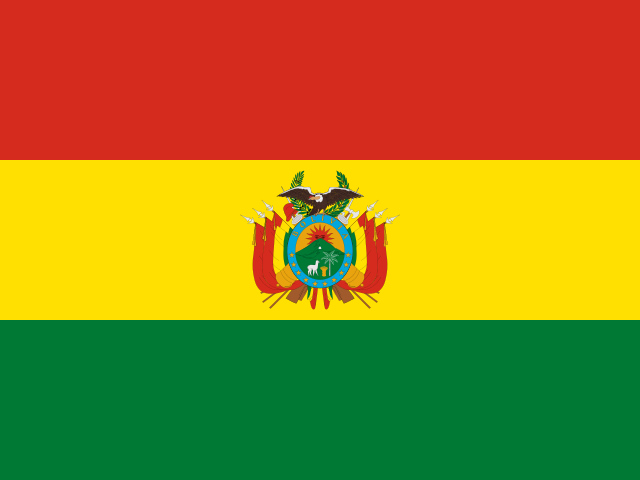
Provincia Manuripi
Pando
Provincia Manuripi is one of the five provinces in the Pando Department of Bolivia, situated in the country's northern lowlands. Its geography is dominated by the Amazon basin, featuring vast stretches of tropical rainforest, numerous rivers, and wetlands. The region is sparsely populated and known for its ecological importance, serving as a habitat for diverse wildlife including jaguars, monkeys, and various bird species. The economy is primarily based on subsistence agriculture, logging, rubber tapping, and Brazil nut harvesting. Due to its remote nature and limited infrastructure, tourism is nascent, focusing on eco-tourism and adventure travel for those seeking an authentic Amazonian experience. The capital of the province is Puerto Rico, a small town on the banks of the Manuripi River.
Provincia Marbán
Beni
Provincia Marbán is one of the provinces in the Beni department of Bolivia, covering an area in the northeastern part of the department. The province is characterized by its tropical climate, extensive wetlands, and savanna landscapes that form part of the larger Amazon basin ecosystem. Named after the Jesuit missionary José María Marbán, the area has historical significance in the colonial-era Jesuit missions of the region. The terrain consists mostly of flat alluvial plains with seasonal flooding, creating important habitats for diverse wildlife including jaguars, capybaras, caimans, and numerous bird species. The population is sparse, concentrated in small towns and rural communities primarily engaged in cattle ranching and agriculture. Access to the province is limited due to its remote location and the challenging terrain, particularly during the rainy season when many areas become accessible only by boat.
Provincia Méndez
Tarija
Provincia Méndez is one of the provinces in the Tarija Department of Bolivia, located in the southern part of the country. The province is characterized by its Andean foothills and valleys, part of the region's varied topography. As a provincial administrative division, it contains several municipalities and communities within the Tarija department, which is itself known for its pleasant climate, wine production, and agricultural significance in Bolivia.
Provincia Mizque
Cochabamba
Provincia Mizque is one of the 16 provinces in the Cochabamba department of Bolivia, located in the central highland regions of the country. The province encompasses several municipalities spread across the Andean foothills and valleys, with the town of Mizque (also spelled Moye) serving as the provincial capital. The region is characterized by rugged mountainous terrain, traditional agricultural lands, and communities that maintain strong Quechua cultural traditions. The local economy is primarily based on agriculture, with farming of quinoa, potatoes, barley, and livestock raising being the main economic activities. The province has a colonial church tradition dating back to the Spanish colonial period, and the area is known for hosting traditional festivals that blend Catholic and Indigenous Andean religious practices.
Provincia Modesto Omiste
Potosí
Provincia Modesto Omiste is a province located in the southwestern part of Potosí Department, Bolivia, near the Argentine border. The province is named after Modesto Omiste, a prominent local figure. Characterized by rugged Andean terrain with high plateaus and valleys, this rural region maintains strong indigenous traditions while preserving colonial-era mining town architecture. The population primarily consists of Quechua and Aymara-speaking communities engaged in agriculture, llama husbandry, and small-scale mining. Visitors to this off-the-beaten-path destination can experience authentic Andean rural life, explore historic mining towns, and enjoy the stark beauty of the high-altitude landscape. Tourism infrastructure is limited, and visitors should expect basic accommodations and services. The region is best suited for travelers seeking authentic cultural experiences and adventure in one of Bolivia's less-visited provinces."
Provincia Muñecas
La Paz
Provincia Muñecas is situated approximately 150 kilometers northeast of La Paz city in the Andean highlands of Bolivia. The province spans the dramatic Kakuta River canyon, where the town of Muñecas (also called Ayata) features houses literally suspended from cliffs using wooden supports—a unique architectural adaptation to the mountainous terrain. The region was an important colonial settlement due to its rich mineral deposits, particularly silver. Today, visitors can explore the well-preserved Church of Our Lady of Rosario, constructed in the 17th century, which houses notable colonial-era religious art. The area maintains strong traditions in Andean culture, including agricultural practices and communal festivals. Tourism infrastructure is limited, with basic family-run accommodations and local restaurants serving traditional Bolivian cuisine. The province offers a genuinely off-the-beaten-path experience for travelers interested in authentic colonial architecture and Andean cultural preservation.
Provincia Murillo
La Paz
Provincia Murillo is one of the twenty provinces of the La Paz department in western Bolivia. It contains the seat of government city of La Paz and its surrounding urban area, situated in a deep canyon of the Choqueyapu River at elevations of roughly 3,600 to over 4,000 meters above sea level. The province combines the administrative, cultural, and commercial heart of Bolivia with dramatic Andean scenery, including views of Illimani mountain. Travelers typically use it as a base for exploring the city's markets, museums, and cable car network before continuing to other Bolivian destinations.
Provincia Nicolás Suárez
Pando
Provincia Nicolás Suárez is a remote province in Bolivia's Pando Department, characterized by vast expanses of Amazon rainforest, meandering rivers, and sparse population. The province is part of the Guaporé River basin region and features typical tropical savanna and humid forest ecosystems. Access to this area is challenging due to limited infrastructure, with travel primarily via fluvial routes or small aircraft to settlements. The region maintains strong traditions of indigenous Amazonian cultures and offers visitors opportunities for ecological tourism, though facilities remain basic. Cobija, the departmental capital, serves as the main administrative and economic center for the broader Pando region, though specific services within Provincia Nicolás Suárez itself are extremely limited.
Provincia Nor Chichas
Potosí
Provincia Nor Chichas is one of the 16 provinces in Bolivia's Potosí Department, located in the southwestern highlands of the country. The province spans the eastern slopes of the Cordillera de Lípez and adjacent highland plateaus at elevations ranging from 2,400 to 4,600 meters above sea level. Historically, the region was significant for its mining activities, particularly tin and silver extraction, which shaped the economic and social structure of local communities. Today, the provincial economy relies on a combination of traditional mining, quinoa and potato agriculture, and livestock husbandry (primarily llamas and sheep). The population lives in small towns and rural communities scattered across the mountainous terrain, maintaining colonial-era traditions and architecture. The area offers opportunities for cultural immersion in authentic Andean village life, though tourism infrastructure remains limited compared to more visited regions of Bolivia.
Provincia Nor Cinti
Chuquisaca
Provincia Nor Cinti occupies the temperate inter-Andean valleys north of Chuquisaca's capital Sucre, with its administrative seat in Camargo, a small town that serves as a crossroads on the road linking Sucre with Tarija and Bermejo. The province is surrounded by the high Cordillera de los Frailes and the arid Monte Codo y la Paz mountains, and its landscape includes irrigated agricultural valleys producing maize, potatoes, peas and wheat, together with open scrub and cactus-covered slopes. Camargo is known for its market, its low-altitude hot springs (Termas de Camargo) and access to the hiking routes of the Cordillera de los Frailes. Nearby attractions include the pre-Hispanic archaeological site of Pujllay, and the wider area provides easy access to the historical towns of Sucre and Tarija. This is a rural, mostly Bolivian province rather than a conventional tourist destination, so visitors generally combine Camargo with day trips into the surrounding mountains, hot springs, and visits to nearby archaeological and colonial sites.
Provincia Nor Lípez
Potosí
Provincia Nor Lípez is a rural province located in the southwestern highlands of Potosí Department, Bolivia, situated on the Andean altiplano at elevations exceeding 3,600 meters. The province is characterized by harsh, arid landscapes typical of the high desert plateau, with a economy historically rooted in mining activities, particularly silver and other mineral extraction. The region features small mining towns with colonial-era architecture and maintains strong traditional Andean cultural practices. Tourism infrastructure is limited, with visitors typically passing through the area en route to major attractions like Salar de Uyuni or exploring the broader Lípez region. The population consists primarily of indigenous Aymara and Quechua communities engaged in mining, agriculture, and livestock husbandry.
Provincia Nor Yungas
La Paz
Provincia Nor Yungas (Northern Yungas Province) is a stunningropical mountain region in the La Paz department of Bolivia, forming part of the famous Yungas corridor that connects the Andean highlands with the Amazon lowlands. This province is world-renowned for the legendary \"Death Road\" (Carrera de la Muerte), a dramatic mountain highway that descends from over 4,600 meters to just 1,200 meters, offering one of the most thrilling cycling experiences on Earth. The region features lush cloud forests, cascading waterfalls, and extremely high biodiversity, with thousands of plant and animal species. Coroico, the provincial capital, is a charming colonial town that serves as the gateway to this natural wonderland. The local economy thrives on coffee cultivation, coca leaf production, and eco-tourism. Visitors can explore pristine nature trails, visit traditional farms, and experience the unique blend of Andean and Amazonian cultures that define this extraordinary corner of Bolivia.
Provincia Ñuflo de Chávez
Santa Cruz
Provincia Ñuflo de Chávez lies in the eastern Bolivian lowlands within the Chiquitania region of the Santa Cruz Department. Its capital, Concepción, is one of the most important historic towns of the Chiquitos mission circuit and serves as the administrative and commercial center of the province. The territory is characterized by gently rolling plains, gallery forests along rivers such as the Río Grande, and transitional vegetation between the Cerrado and the Amazon basin. The province has a strong missionary heritage, being home to two of the six UNESCO-listed Jesuit Missions of the Chiquitos (San Javier and Concepción), and remains a predominantly rural area where cattle ranching, agriculture, and seasonal forestry play central economic roles. Travel infrastructure is modest, with roads connecting the principal towns to Santa Cruz de la Sierra; the dry season is the most practical time to visit.
Provincia O’Connor
Tarija
Provincia O'Connor is one of the nine provinces in the Tarija Department of Bolivia, situated in the southern highlands of the country. The province is characterized by its mountainous terrain, deep valleys, and subtropical climate. Its economy is primarily based on agriculture, with crops including grapes, citrus fruits, and vegetables. The region maintains strong traditional customs and cultural practices, with Quechua and Spanish still spoken by local communities. Visitors to this area experience authentic rural Bolivian hospitality, though tourist infrastructure is limited compared to larger cities. The province serves as a gateway to exploring the more famous wine regions of Tarija and offers opportunities for ecotourism, hiking, and cultural immersion in traditional communities.
Provincia Omasuyos
La Paz
Provincia Omasuyos is a province located in the La Paz Department of Bolivia. It is situated in the highland region of the country, characterized by Andean landscapes and traditional Quechua and Aymara indigenous communities. The province is known for its colonial architecture, traditional textiles, and proximity to Lake Titicaca. The administrative seat and largest settlement is the town of Achacachi. The region features high altitudes exceeding 3,800 meters above sea level, with rugged terrain typical of the Altiplano plateau.
Provincia Oropeza
Chuquisaca
Provincia Oropeza is a province located in the department of Chuquisaca, in southern Bolivia. The province is named after the Oropeza family, prominent historical figures in the region. Chuquisaca is one of Bolivia's nine departments, with Sucre serving as its constitutional capital. The province encompasses various rural communities and small towns typical of the Andean highland region of southern Bolivia. The area features traditional Andean landscapes with colonial-era influenced settlements, though specific details about tourism infrastructure in Provincia Oropeza itself require local verification.
Provincia Pacajes
La Paz
Provincia Pacajes is a province located in the western part of the La Paz Department of Bolivia, situated in the high Altiplano region near the borders with Peru and Chile. This region is characterized by its extreme high-altitude terrain, featuring vast steppe plains and rolling hills at elevations exceeding 3,600 meters above sea level. The province is predominantly rural, with small settlements scattered across the plateau. The local economy is primarily based on traditional agriculture, including quinoa cultivation and llama and alpaca husbandry, which have been practiced in this region for centuries. The area holds significance for its cultural heritage, preserving indigenous Aymara traditions and customs that reflect the deep connection between local communities and their ancestral lands.
Provincia Pantaleón Dalence
Oruro
Provincia Pantaleón Dalence is a province located in the Oruro Department of Bolivia, situated in the western highlands of Bolivia at an elevation exceeding 3,700 meters above sea level. The province is named after Pantaleón Dalence, a prominent political figure in Bolivian history. The region is characterized by its rugged Andean terrain, sparse vegetation, and a economy traditionally based on mining, particularly silver and other minerals, as well as agriculture. The population primarily consists of Aymara and Quechua indigenous communities who maintain strong traditional cultural practices. The province features several small municipalities scattered across the highland landscape, with local communities engaged in subsistence agriculture and small-scale mining operations.
Provincia Poopó
Oruro
Provincia Poopó lies in the Oruro Department of western Bolivia, on the southern Altiplano at elevations typically above 3,700 meters. The province is named after Lake Poopó, once the country's second-largest lake, which experienced severe desiccation in the mid-2010s, transforming much of the surrounding landscape into a salt-encrusted basin. The capital, Poopó (Villa Poopó), sits along the route connecting Oruro city with the mining districts of the altiplano. Historically, the province's economy has been rooted in mining — particularly tin, silver, and other minerals — and subsistence agriculture and llama herding by Aymara and Quechua communities. The population is sparse and largely rural, with small mining settlements and indigenous villages scattered across the altiplano. The terrain is windswept, treeless, and puna-like, with cold nights and intensely sunny days. Travelers visit the area primarily for its cultural encounters with highland communities, its stark altiplano landscapes, and as a transit point between Oruro city and Bolivia's southwestern mining regions.
Provincia Punata
Cochabamba
Provincia Punata is one of the provinces in Bolivia's Cochabamba Department, serving as a gateway between the highland regions and the tropic areas of Cochabamba. The province covers a territory of approximately 1,230 square kilometers and encompasses several municipalities centered around the town of Punata, which has historically served as an important agricultural and commercial hub in the region. The area features a transitional climate between the Andean highlands and the subtropical valleys below, making it suitable for growing a variety of crops including vegetables, fruits, and grains. Traditional Quechua-speaking communities maintain their cultural heritage alongside Spanish colonial influences, creating a unique blend of indigenous and mestizo customs. The province sees relatively few international visitors compared to more famous Bolivian destinations, offering instead an opportunity for cultural exchange in a more authentic, less touristified setting. Local festivals, particularly during religious and agricultural seasons, showcase traditional music, dance, and gastronomy that have been preserved through generations.
Provincia Quijarro
Potosí
Provincia Quijarro is one of the provinces in the Potosí Department of Bolivia, situated in the southwestern region of the country. The province is characterized by its rugged Andean terrain, high altitude plains, and historical significance in mining activities, particularly silver and other minerals. The area maintains traditional rural communities with colonial-era architecture in its settlements. As part of the Potosí region, it shares the department's rich colonial history tied to silver mining operations that dates back to Spanish colonial times. The landscape features dramatic mountain ranges and plateaus typical of the Bolivian Altiplano.
Provincia Quillacollo
Cochabamba
Provincia Quillacollo, situated in the heart of Bolivia's Cochabamba Department, offers a captivating blend of tradition and a bustling local life. The province is particularly famous for the annual 'Fiesta de la Virgen de Urkupiña,' one of Bolivia's most important religious pilgrimages, attracting thousands of devotees and tourists. Beyond its religious significance, Quillacollo is characterized by its fertile valleys, agricultural production, and a strong sense of Aymara and Quechua cultural identity. Visitors can explore local markets, experience traditional ceremonies, and enjoy the scenic beauty of the Andean foothills.
Provincia Saavedra
Potosí
Provincia Saavedra is one of the 13 provinces in the Potosí Department of Bolivia. The province covers an area of approximately 4,869 km² and is characterized by its rugged Andean geography, with elevations ranging from valley floors to high mountain regions. The local economy is predominantly based on mining activities, particularly silver and other base metals, which have been historically significant to the region. Agriculture, including quinoa and potato cultivation, also contributes to the local economy. The population is primarily composed of Quechua-speaking indigenous communities who maintain traditional ways of life. As a rural province, it offers visitors an authentic glimpse into traditional Bolivian highland culture, though tourism infrastructure is limited compared to more prominent destinations in Bolivia.
Provincia Sabaya
Oruro
Provincia Sabaya is a rural province located in the southwestern part of the Oruro department of Bolivia, situated on the high Andean plateau (altiplano) at elevations ranging from 3,700 to 4,500 meters above sea level. The province is characterized by vast salt flats, brackish lakes, volcanic peaks, and small farming communities that maintain traditional Andean lifestyles. The landscape features unique geological formations and serves as habitat for threatened species including vicuñas, flamingos, and Andean foxes. The area offers an authentic glimpse into rural Bolivian highland life with limited tourist infrastructure, making it ideal for adventurous travelers seeking off-the-beaten-path experiences in genuine, uncrowded settings.