Arrivals & First Greetings
Use Buongiorno (until about 17:00) or Buonasera (evening). Say Mi chiamo… (My name is…) and Sono di… (I am from…). When entering a shop or bar, greet the staff before asking anything.
Daily use
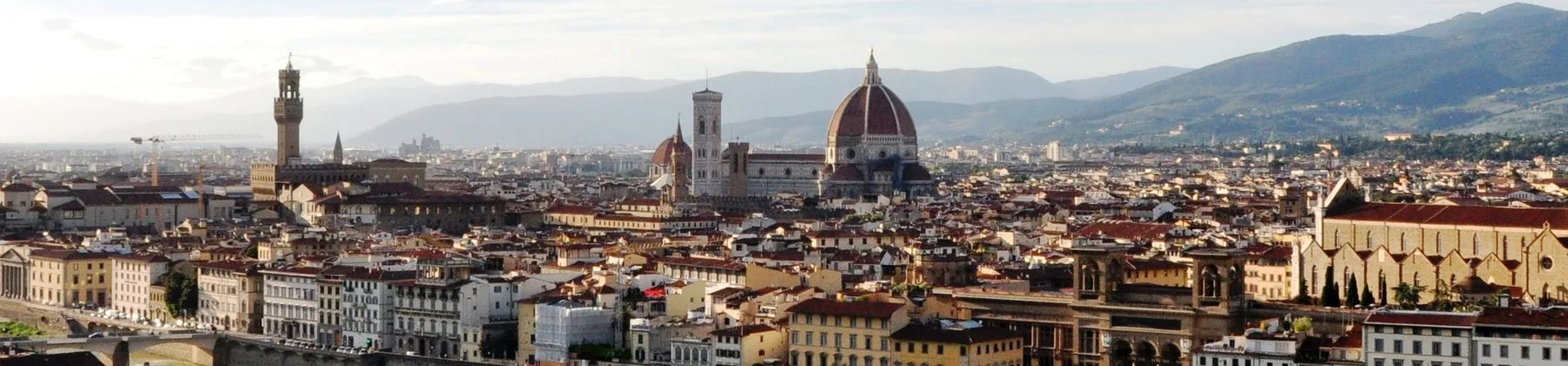
Arzano is a working-class town in the Metropolitan City of Naples where standard Italian is used in shops, offices, and on buses, while Neapolitan dialect (napulitano) is still heard in markets, bars, and among older residents. Visitors do not need Neapolitan to get by, but swapping a single dialect word such as guagliò (young man) or signò (ma'am) signals respect for local identity.
Phonetics are simple: every vowel is pronounced, and rolled 'r' is the norm. Speak a little slower than you think you need to, keep eye contact during greetings, and use Buongiorno or Buonasera when entering any shop, bar, or eatery in Arzano.
Use Buongiorno (until about 17:00) or Buonasera (evening). Say Mi chiamo… (My name is…) and Sono di… (I am from…). When entering a shop or bar, greet the staff before asking anything.
Daily use
Ask Vorrei… (I would like…) followed by una pizza Margherita, una pasta e patate, or una frittura di mare. Say Il conto, per favore for the bill. Remember dinner starts late; booking is wise on Friday and Saturday.
Restaurants
Buy tickets at tabaccherie or newsstands (Mi può dare un biglietto dell'autobus, per favore?). On board, ask the driver Mi scusi, questa fermata è Arzano centro? and press the stop button (fermare!) before your stop.
Transit
At the covered market in Arzano and in nearby Frattamaggiore, ask Quanto costa? (How much is it?) and Posso assaggiare? (Can I taste?). Bargaining is rare for fixed prices but accepted at stalls. Carry small euro notes and coins.
Markets
Call 112 (police, ambulance, fire) or 118 (medical). Say Aiuto! (Help!), Chiamate un'ambulanza (Call an ambulance), or Dov'è l'ospedale più vicino? (Where is the nearest hospital?). Pharmacies (farmacie) alternate on duty (farmacia di turno) on Sundays and holidays.
Urgent
Use the formal Lei form with strangers and shopkeepers. Mi scusi (Excuse me), Per favore (Please), and Grazie mille (Thank you very much) cover most situations. Cover shoulders and knees in churches; avoid loud phone calls at the table.
Social norms