Why it belongs here
The Allende meteorite is the largest carbonaceous chondrite ever found on Earth. The fireball was witnessed at 01:05 on February 8, 1969, falling over the Mexican state of Chihuahua.
Source-backed
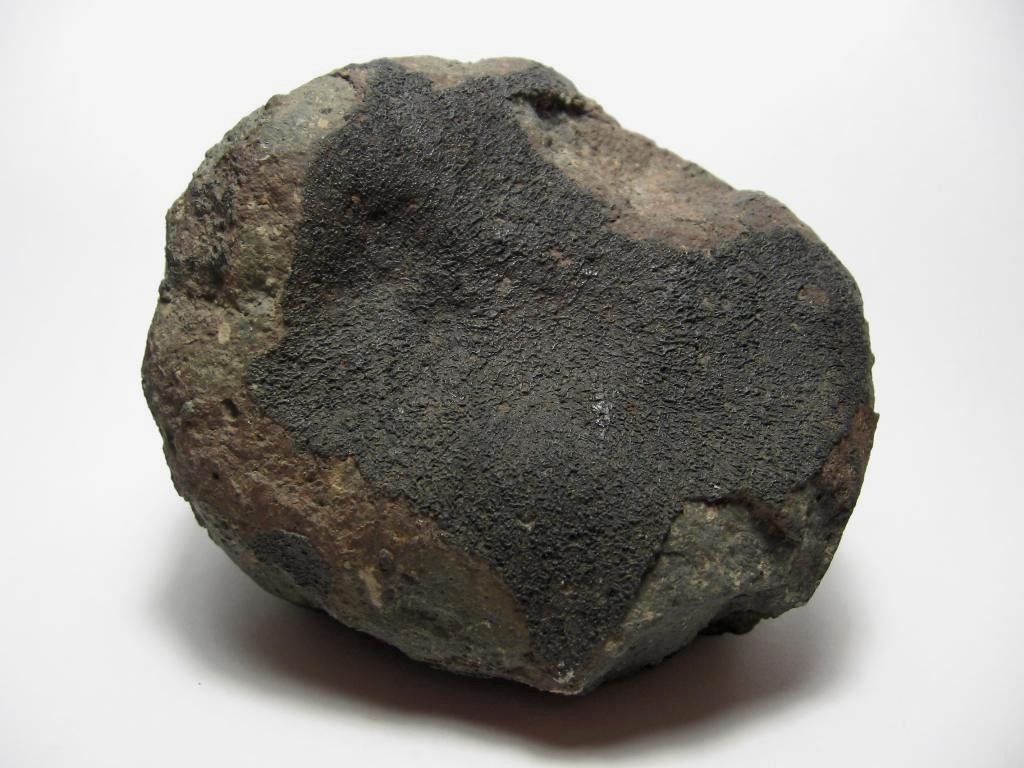
The Allende meteorite is the largest carbonaceous chondrite ever found on Earth. The fireball was witnessed at 01:05 on February 8, 1969, falling over the Mexican state of Chihuahua.
After it broke up in the atmosphere, an extensive search for pieces was conducted and over 2 tonnes (2.2 tons) were recovered. The availability of large quantities of samples of the scientifically important chondrite class has enabled numerous investigations by many scientists; it is often described as "the best-studied meteorite in history." The Allende meteorite has abundant, large calcium–aluminium-rich inclusions (CAI), which are among the oldest objects formed in the Solar System.
The Allende meteorite is the largest carbonaceous chondrite ever found on Earth. The fireball was witnessed at 01:05 on February 8, 1969, falling over the Mexican state of Chihuahua.
Source-backed
Check current access, opening rules, and local transport before adding this stop to an itinerary.
Verify locally
Travelpedia hidden-gem signal
5Allende meteorite is mapped from 3 source signal(s) and destination coordinates.